
Metairie Cemetery: A Self-Guided Tour Plan
Embark on a respectful journey through New Orleans’ historic Metairie Cemetery, exploring the final resting places of over 9,000 influential figures across 65 acres․
Welcome to Metairie Cemetery, a sprawling “City of the Dead” and a captivating testament to New Orleans’ rich history and unique cultural traditions․ Established in 1872, this 65-acre landmark isn’t merely a burial ground; it’s an outdoor museum showcasing stunning architecture, intricate symbolism, and the legacies of Louisiana’s most prominent citizens․
Here, you’ll discover the final resting places of nine Louisiana governors, seven New Orleans mayors, and a remarkable 49 Kings of Carnival․ Beyond the political elite, Metairie Cemetery honors celebrated personalities from the worlds of music – including Louis Prima and Al Hirt – literature, like Anne Rice, and sports, with the tomb of Tom Benson․ Prepare to be immersed in stories of power, passion, and the enduring spirit of New Orleans as you begin your self-guided exploration․
Historical Background & Founding
The story of Metairie Cemetery is intrinsically linked to the land itself, originally known as Metairie Ridge․ Before becoming a revered resting place, this area thrived as a popular 19th-century racetrack, attracting large crowds and lively entertainment․ As New Orleans expanded, the need for additional cemetery space grew, and the racetrack property presented a viable solution․
In 1872, the land was repurposed and officially established as Metairie Cemetery․ The founders cleverly incorporated the racetrack’s oval shape into the cemetery’s layout, a design element still visible today․ This transition reflects a fascinating shift from a place of vibrant life and competition to a serene and contemplative space for remembrance․ The founding of Metairie Cemetery marked a significant moment in New Orleans’ funerary history․
From Racetrack to Resting Place
The transformation of Metairie from a bustling racetrack to a peaceful cemetery is a compelling narrative․ For decades, the grounds echoed with the thunder of hooves and the cheers of spectators, a hub of social activity and spirited competition․ However, as societal priorities shifted, the land’s purpose evolved․

The decision to convert the racetrack into a cemetery wasn’t merely practical; it was a reflection of changing cultural values․ The oval design, once defining the racing circuit, was thoughtfully integrated into the cemetery’s layout, creating a unique and recognizable feature․ This repurposing demonstrates a respectful acknowledgement of the site’s past while embracing its new role as a final resting place for New Orleans’ prominent citizens․
The Significance of Metairie Ridge
Metairie Cemetery’s location atop Metairie Ridge isn’t coincidental; it’s fundamentally linked to the city’s history and burial practices․ Historically, higher ground was favored for cemeteries due to its superior drainage, a crucial factor in New Orleans’ often-humid climate and below-sea-level elevation․ This natural elevation helped preserve the above-ground tombs, a signature characteristic of New Orleans’ “Cities of the Dead․”
The ridge provided a stable foundation, preventing the tombs from sinking or being damaged by flooding․ Choosing this location demonstrated a practical understanding of the environment and a commitment to creating a lasting memorial․ The ridge’s prominence also offered a sense of dignity and separation, befitting the esteemed individuals interred within its boundaries․
Navigating the Cemetery Layout
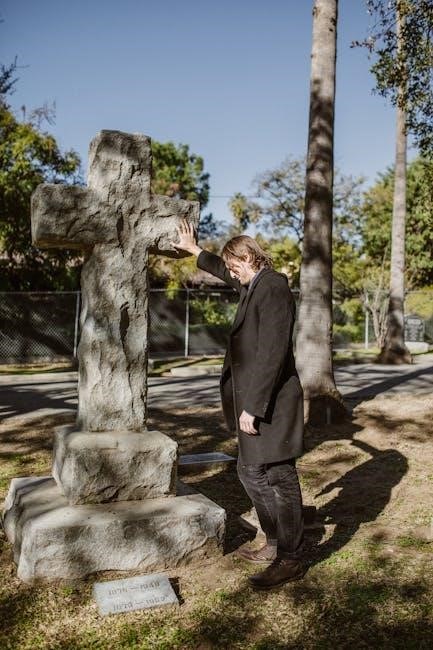
Metairie Cemetery’s design is remarkably organized, though its beauty lies in its sprawling, peaceful atmosphere․ The cemetery retains the distinct oval shape of the former racetrack it once was, providing a unique navigational landmark․ Central Avenue serves as the main thoroughfare, bisecting the grounds and offering access to various sections and family plots․
Be mindful that the cemetery is open to vehicle traffic, including occasional tour buses and maintenance vehicles, so remain vigilant while walking․ The layout encourages a leisurely pace, allowing visitors to fully appreciate the architecture and history․ Pay attention to the arrangement of tombs and mausoleums, often grouped by family or social affiliation․
Central Avenue: The Main Thoroughfare
Central Avenue is the spine of Metairie Cemetery, a wide, paved road facilitating exploration of this “city of the dead․” Starting from the Law Enforcement Memorial meeting point, this avenue provides direct access to many notable tombs and family mausoleums․ It’s a central pathway for both pedestrian visitors and the occasional vehicle, requiring mindful navigation․
As you stroll down Central Avenue, observe the impressive variety of above-ground tombs lining both sides․ This avenue offers a fantastic introduction to the unique burial traditions of New Orleans․ It’s a place to begin your journey, absorbing the atmosphere before venturing onto smaller pathways and discovering hidden stories within the cemetery’s grounds․
Understanding the Oval Design
Metairie Cemetery’s distinctive oval shape isn’t accidental; it’s a direct legacy of its past life as a popular racetrack․ Before becoming a resting place, this land hosted thrilling horse races, and the original track’s layout was deliberately preserved when it transitioned into a cemetery․
Walking through the grounds, you can still discern the curvature of the former racetrack, influencing the arrangement of tombs and pathways․ This unique design element provides a fascinating glimpse into the site’s history, blending recreation and remembrance․ The oval creates a sense of continuous movement, even in stillness, a subtle reminder of the life that once thrived here․
Notable Figures & Their Tombs
Metairie Cemetery serves as the final resting place for a remarkable collection of Louisiana’s most prominent citizens․ Among the over 9,000 interred are nine Louisiana governors, seven New Orleans mayors, and an impressive 49 Kings of Carnival, reflecting the city’s vibrant celebratory traditions․
Beyond political and civic leaders, the cemetery honors figures from diverse fields․ Confederate generals rest alongside celebrated personalities, bandleaders like Louis Prima and Al Hirt, and literary icon Anne Rice․ Even sports mogul Tom Benson, former owner of the Saints and Pelicans, found his final repose here․ Exploring the tombs reveals stories of power, artistry, and enduring legacies․
Louisiana Governors & Political Leaders
Metairie Cemetery holds the remains of nine Louisiana governors, a testament to its significance as a final resting place for the state’s leadership․ These individuals shaped Louisiana’s history through periods of immense change and political maneuvering, their legacies now etched in stone within the cemetery’s grounds․
Alongside the governors lie numerous other political leaders, representing a broad spectrum of Louisiana’s political landscape․ Their elaborate tombs often reflect their power and influence, serving as enduring monuments to their careers․ Discovering these figures offers a unique glimpse into the state’s political evolution and the individuals who steered its course․
New Orleans Mayors & Civic Figures
Seven New Orleans mayors rest within Metairie Cemetery, representing decades of leadership and dedication to the city’s growth and prosperity․ Their tenures spanned periods of significant development, challenges, and cultural shifts, leaving an indelible mark on the Crescent City․
Beyond the mayors, the cemetery also honors numerous civic figures – individuals who contributed to New Orleans’ vibrant community life through philanthropy, activism, and public service․ Exploring their tombs reveals stories of dedication and commitment to improving the lives of residents․ These individuals helped build the unique character of New Orleans, and their legacies continue to resonate today․
Carnival Kings & Celebrated Personalities
Metairie Cemetery holds the remains of 49 Kings of Carnival, the celebrated leaders of New Orleans’ most iconic celebration․ These individuals, often prominent members of society, were chosen for their contributions to the city and their embodiment of the Carnival spirit․ Their elaborate tombs often reflect their regal status and involvement in the festivities․
Alongside the Carnival Kings lie other celebrated personalities – individuals who achieved renown in various fields, contributing to New Orleans’ rich cultural tapestry․ Discover the stories of those who shaped the city’s entertainment, arts, and social scenes, leaving behind legacies that continue to inspire and captivate․
Musicians: Louis Prima & Al Hirt
Metairie Cemetery serves as the final resting place for two giants of New Orleans jazz: Louis Prima and Al Hirt․ Prima, a charismatic singer and trumpeter, blended jazz, swing, and Italian influences, achieving national fame with hits like “Sing, Sing, Sing․” His energetic performances and distinctive style left an indelible mark on American music․
Al Hirt, known as “The Bronze Hurricane,” was a celebrated trumpeter renowned for his powerful playing and showmanship․ He brought New Orleans jazz to a wider audience through television appearances and recordings․ Visiting their tombs offers a poignant opportunity to pay respects to these musical legends and reflect on their contributions to the city’s vibrant musical heritage․
Literary Figures: Anne Rice
Metairie Cemetery is the final resting place of Anne Rice, the celebrated author renowned for her gothic fiction and particularly her Vampire Chronicles series․ Rice, a New Orleans native, masterfully blended horror, romance, and philosophical themes, captivating readers worldwide with iconic characters like Lestat de Lioncourt․
Her novels, deeply rooted in the city’s atmosphere and history, explored themes of immortality, alienation, and the search for meaning․ A visit to her tomb provides a space for literary pilgrims to honor her legacy and contemplate the enduring power of her storytelling․ It’s a quiet spot to remember a writer who brought darkness and beauty to life․
Sports Moguls: Tom Benson
The tomb of Tom Benson, the former owner of both the New Orleans Saints and the New Orleans Pelicans, marks the final resting place of a significant figure in Louisiana sports history․ Benson’s acquisition of the Saints in 2012 was pivotal, helping to revitalize the team and solidify its place in the hearts of New Orleans fans, especially after Hurricane Katrina․
He later added the Pelicans to his portfolio, further cementing his impact on the city’s sporting landscape․ Benson’s business acumen and dedication to New Orleans made him a beloved, though sometimes controversial, figure․ Visiting his mausoleum offers a moment to reflect on his contributions to the city’s cultural identity and sporting pride․
Unique Burial Traditions & Architecture
Metairie Cemetery distinctly showcases New Orleans’ unique approach to death and remembrance, primarily through its prevalence of above-ground tombs․ This tradition arose from the city’s high water table and the need to prevent coffins from floating away – a practical solution evolving into an iconic architectural style․
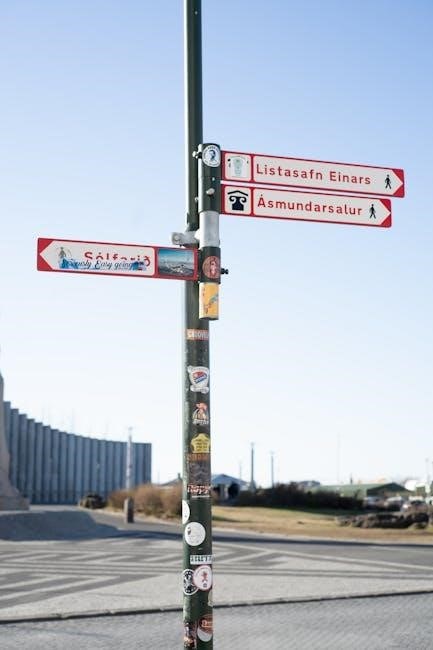
These tombs aren’t merely functional; they’re often elaborate structures, reflecting the wealth and status of the families they house․ Symbolism is rife, with architectural details and ornamentation conveying beliefs about the afterlife and family history․ Exploring these family mausoleums reveals compelling stories and artistic expressions, offering a glimpse into New Orleans’ cultural soul․
Above-Ground Tombs: A New Orleans Custom
The striking feature of Metairie Cemetery, and much of New Orleans burial grounds, is the widespread use of above-ground tombs․ This isn’t a stylistic choice born of aesthetics, but a necessity dictated by the city’s unique geography․ New Orleans is largely below sea level, with a very high water table, making traditional burials impractical – coffins would simply float to the surface․
Consequently, families constructed elaborate vaults to house their remains․ Over time, these structures evolved into stunning displays of architectural artistry, becoming a defining characteristic of New Orleans’ funerary culture․ These “cities of the dead” are a testament to ingenuity and a poignant reflection of the city’s relationship with mortality․
Symbolism in Tomb Design
Beyond their practical purpose, the tombs within Metairie Cemetery are rich with symbolic meaning․ Architectural details and decorative elements weren’t merely ornamental; they conveyed messages about the deceased’s life, beliefs, and social standing․ Common motifs include crosses representing faith, anchors symbolizing hope, and weeping willows signifying mourning․
The size and grandeur of a family’s mausoleum often reflected their wealth and prominence․ Colors also held significance – white representing purity, while darker shades could denote mourning or solemnity․ Observing these details offers a fascinating glimpse into the values and aspirations of those interred within, transforming the cemetery into an open-air museum of New Orleans history and culture․
Family Mausoleums & Their Stories
Metairie Cemetery showcases elaborate family mausoleums, each a testament to lineage and enduring legacies․ These aren’t simply burial structures; they’re architectural narratives, revealing the histories of New Orleans’ prominent families․ Many were built to house generations, ensuring continued remembrance and familial unity even in death․
Exploring these mausoleums unveils captivating stories of wealth, power, and social influence․ Intricate carvings, stained glass, and personalized inscriptions offer clues to the families’ origins, achievements, and beliefs․ Discovering the narratives behind these structures provides a deeper understanding of New Orleans’ social fabric and the enduring bonds of kinship that shaped the city’s identity․
Planning Your Self-Guided Tour
Begin your exploration at the Law Enforcement Memorial, the designated meeting point for guided tours and a convenient starting location for independent visitors․ Allow ample time – this is a “long, leisurely walking tour” steeped in history and respectful anecdotes․ Consider a duration of several hours to fully appreciate the cemetery’s scale and significance․
Remember the cemetery is open to vehicle traffic, so maintain awareness of occasional tour buses or maintenance vehicles․ Comfortable shoes are essential for navigating the grounds․ Check Viator for potential tour cancellations (minimum four guests required 12 hours prior) or explore their guided options for enhanced insights․
Meeting Point: Law Enforcement Memorial
The Law Enforcement Memorial, prominently situated in front of the funeral home, serves as the central gathering place for both organized tours and those embarking on self-guided explorations of Metairie Cemetery․ This easily identifiable landmark provides a clear and respectful starting point for your journey into the “silent city․”
It’s here you’ll begin to appreciate the cemetery’s atmosphere and prepare for a contemplative walk through history․ Guided tours invariably commence at this location, and it’s where you’ll ultimately return at the tour’s conclusion․ Take a moment to reflect before venturing down Central Avenue, mindful of the stories held within these grounds․
Tour Duration & Walking Pace
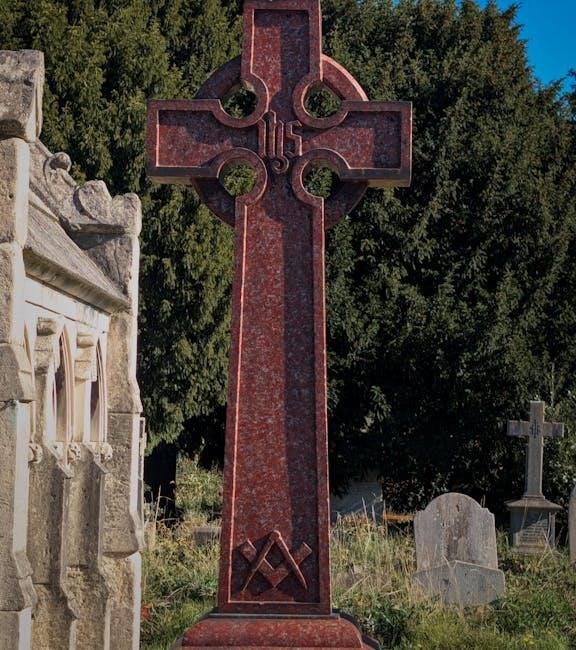
Expect a long, leisurely walking tour designed to fully immerse you in the history and culture of Metairie Cemetery․ The experience isn’t rushed; it’s intended to be a respectful and contemplative exploration of the grounds and the lives of those interred within․ Allow ample time – approximately two to three hours – to fully appreciate the notable tombs and stories․
A comfortable walking pace is recommended, as the cemetery covers a significant area․ Be prepared for walking on uneven surfaces and potentially encountering other visitors or maintenance vehicles․ Remember to prioritize comfort and take breaks as needed to fully enjoy this unique historical site․
Safety Considerations & Cemetery Etiquette
Respectful behavior is paramount within Metairie Cemetery․ Please maintain a quiet demeanor and avoid loud conversations or disruptive actions․ Remember this is a sacred space for mourning and remembrance․ Exercise caution while walking, as the grounds include uneven surfaces and potential obstacles․
Be mindful of vehicular traffic, as the cemetery is open to cars, tour buses, and maintenance vehicles․ Pay close attention to your surroundings․ Avoid touching or disturbing any of the tombs or monuments․ Photography is generally permitted, but refrain from using flash or drones․ Finally, adhere to all posted rules and guidelines to ensure a safe and respectful visit for everyone․

Resources & Further Exploration
Extend your understanding of Metairie Cemetery and New Orleans burial traditions through various resources․ Viator offers guided tour options, providing in-depth historical context and access to exclusive areas – remember a minimum of four guests are required for tours․ For any inquiries, the Viator Help Centre is readily available․
Independent research can enrich your experience․ Explore online articles and historical societies dedicated to New Orleans cemeteries․ Consider visiting the cemetery’s website (if available) for maps and information․ Remember cancellation policies allow for a full refund up to 24 hours before your scheduled visit․ Delve deeper into the stories of those interred within its grounds!
Viator & Guided Tour Options

Enhance your exploration with a guided tour booked through Viator, unlocking deeper insights into Metairie Cemetery’s history and the lives of those buried within․ These tours, led by knowledgeable guides, offer a curated experience, revealing fascinating anecdotes and hidden details you might miss on a self-guided walk․
Please note that a minimum of four guests must be registered at least 12 hours prior to the tour’s departure time to prevent cancellation․ Viator’s platform provides convenient booking and cancellation options, with a full refund available up to 24 hours before the experience․ For any questions or assistance, the Viator Help Centre is a valuable resource․
Cemetery Accessibility & Vehicle Traffic
Metairie Cemetery is open to vehicular traffic, so visitors should exercise caution and remain aware of their surroundings during their self-guided tour․ Expect to encounter occasional tour buses and maintenance vehicles navigating the grounds; attentiveness is key for a safe experience․
While generally accessible, the cemetery’s layout and historic pathways may present challenges for individuals with mobility limitations․ The grounds are extensive, requiring a considerable amount of walking․ Plan accordingly and consider the tour duration․ Remember the meeting point is at the Law Enforcement Memorial, easily reached by vehicle, but further exploration involves walking the silent city․